

Meeting fatigue is not simply about volume. Six well-spaced meetings are easier than four stacked ones, and the reasons are mostly mechanical.
What actually tires people
No gaps. A call that ends at the moment the next begins gives you no time to write anything down, so every meeting starts with the residue of the last one.
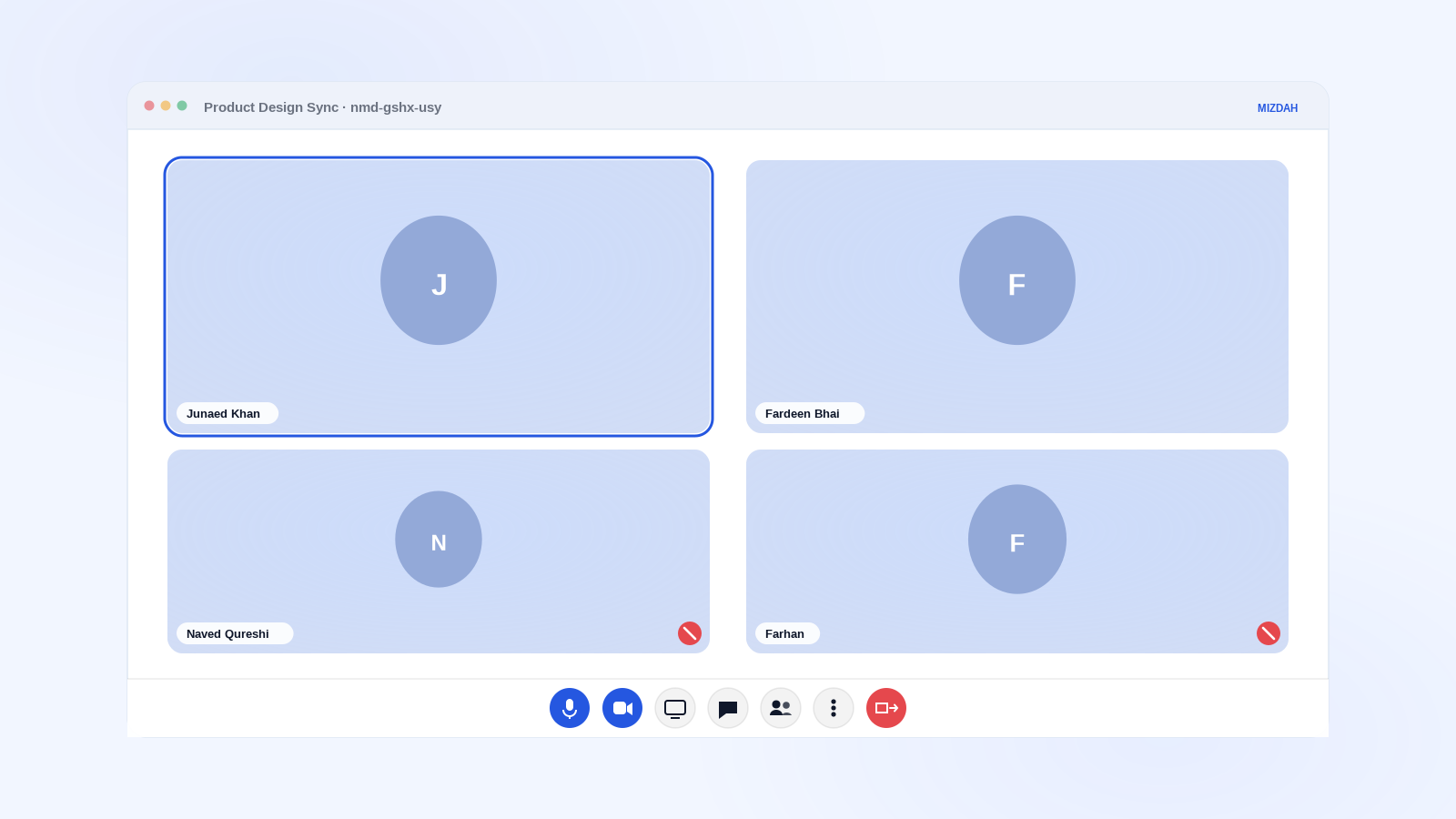
Constant self-view. Watching your own face for hours is a genuinely unusual cognitive load. Hiding self-view is the single cheapest improvement most people can make.
Being on camera without a role. Sitting visible and silent for an hour is more tiring than participating, because the attention is one-way.
What to change
Default your meetings to 25 and 50 minutes instead of 30 and 60. The gap is not a break, it is where the notes get written.
Make camera-off acceptable for large calls. If someone is there to listen, requiring their camera buys nothing and costs attention.
Kill one recurring meeting a month. Pick the one where the last three summaries contained no decisions.
The harder change
Most fatigue comes from meetings that should have been messages. That is an organisational habit rather than a scheduling one, and it changes only when someone is willing to reply to an invite with "what decision are we making?" — and to accept the same question in return.
Insights and guides from the team building Mizdah.
Ready to communicate better?
Start using Mizdah today — no download, no sign-up to join.
Get Started