

None of these are dramatic. They are the ordinary habits that make a call less useful than it should have been.
The invite
1. A topic instead of a decision. "Roadmap sync" tells nobody what needs to be true by the end.
2. Inviting everyone who might be interested. Interest is not a reason to attend; it is a reason to read the notes.
3. Sixty minutes by default. The calendar's default length is not a judgement about your meeting. Most need 25.
The setup
4. Not testing audio after changing anything. New headphones, a docked laptop, a browser update — any of these silently reselects your microphone.
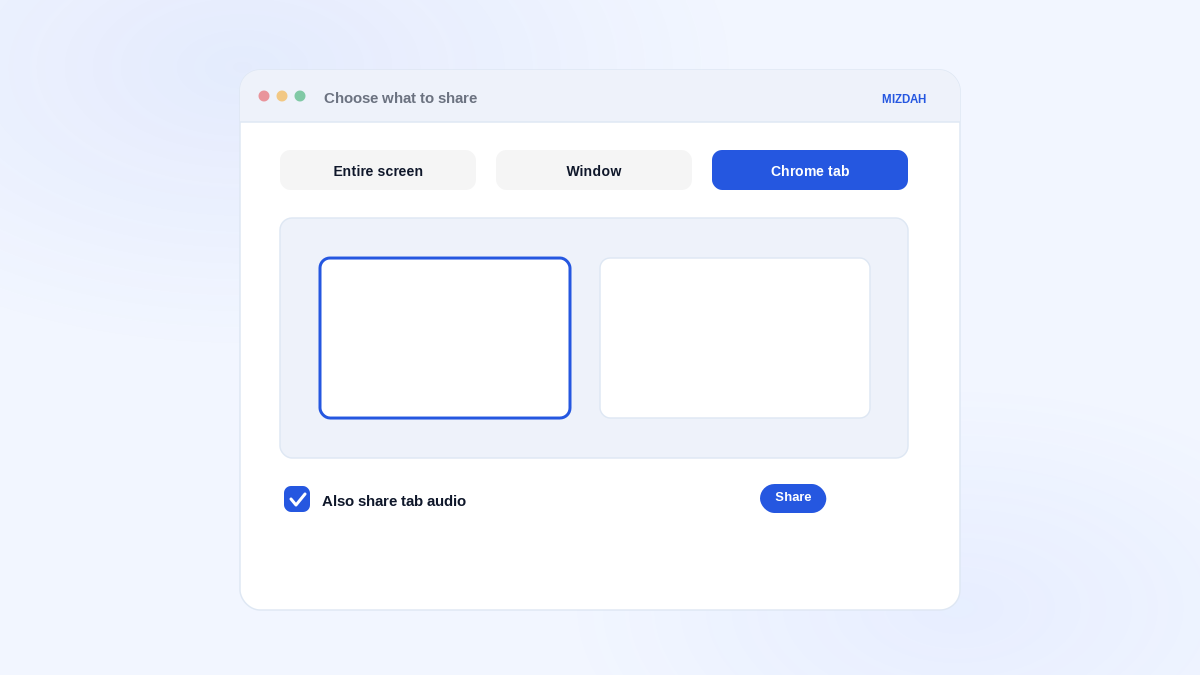
5. Sharing the entire screen when you need one tab. It leaks notifications and, on most platforms, does not carry the audio you actually wanted to share.
The meeting itself
6. Starting with context everyone should already have. If the pre-read did not get read, the honest move is to reschedule, not to perform it aloud.
7. Letting the loudest person set the order. Online, that is not a personality problem, it is a structural one — there are no visual cues for taking turns, so the host has to allocate them.
8. Treating silence as agreement. It is at least as often a muted microphone or a lost connection.
9. Running over. Every minute past the end is taken from a meeting someone else scheduled properly.
Afterwards
10. No written outcome. A decision that exists only in a conversation will be re-litigated within a fortnight, usually by someone who was in the room.
Insights and guides from the team building Mizdah.
Ready to communicate better?
Start using Mizdah today — no download, no sign-up to join.
Get Started